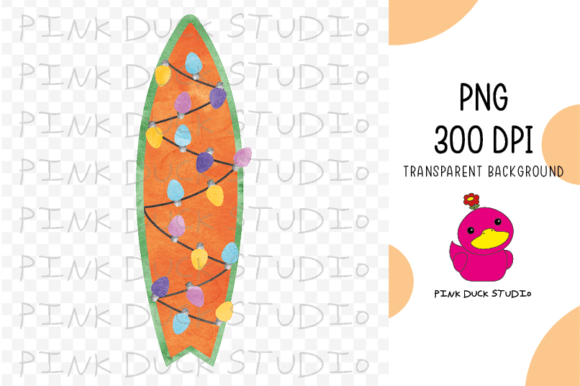
Watercolor Surfboard Christmas in July: A Creative Guide for Smart Designers
Summer holidays and festive cheer collide in a unique visual concept known as Watercolor Surfboard Christmas in July. This artistic theme blends the fluid, organic textures of watercolor painting with the iconic silhouette of a surfboard, all adorned with holiday motifs like holly, ornaments, or snowflakes. It is a popular choice for creators looking to capture the spirit of "Christmas in July" events, summer beach parties, or tropical holiday retreats. The appeal lies in its ability to merge two distinct moods: the relaxed, sun-soaked vibe of surfing culture and the nostalgic warmth of the holiday season.
However, simply downloading a file does not guarantee a successful project. Many designers, small business owners, and hobbyists overlook critical details regarding licensing, resolution, and application. Understanding exactly what you are buying and how you can legally use it is just as important as the aesthetic itself. Let’s explore the common pitfalls and best practices to ensure your projects stand out while remaining compliant and professional.
Understanding the Asset: More Than Just a Pretty Picture
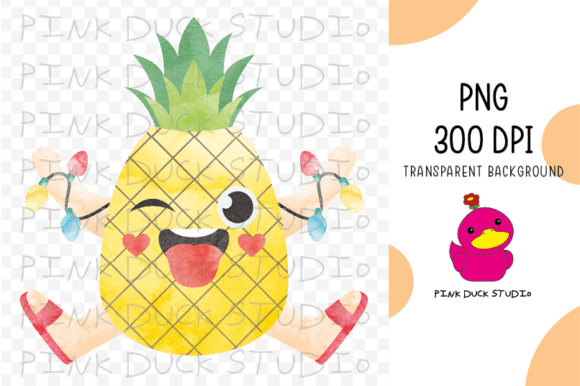
When you acquire a set of Watercolor Surfboard Christmas in July graphics, you are typically receiving high-quality PNG files. These files feature a transparent background, allowing you to layer them over photos, patterns, or solid colors without an unsightly white box. With a standard height of approximately 12 inches at 300dpi, these images are optimized for print-on-demand products, greeting cards, and digital invitations. The resolution ensures that when printed on physical items like t-shirts, mugs, or tote bags, the edges remain crisp and the watercolor texture retains its depth.
The charm of this specific style is its hand-painted feel. Unlike rigid vector clipart, watercolor textures offer softness and variation. This makes them ideal for creating a one-of-a-kind look that feels personal and artisanal. However, this very quality requires careful handling. If treated like a generic stock photo, the potential of the artwork is lost. The goal is to integrate these elements into a broader design narrative rather than letting them sit alone on a page.
Common Mistakes That Undermine Your Designs
One of the most frequent errors I see among beginners is treating the downloaded image as a standalone graphic. Placing a single surfboard image in the center of a blank canvas rarely results in a compelling product. Without context, typography, or complementary elements, the design feels unfinished and lacks commercial appeal. Remember, the license explicitly states that clipart must not be used as standalone graphics. This rule exists because the value lies in your creative transformation of the asset.
Another significant misunderstanding involves the technical limitations of the file format. While 300dpi is excellent for standard print sizes, some users attempt to stretch these images for large-format banners or billboards. Scaling a raster image beyond its intended dimensions leads to pixelation and blurriness, ruining the professional finish of your work. Always check the physical dimensions required for your final product before committing to the design. If you need a massive banner, a vector format would be necessary, but that is not what is provided here.
Licensing confusion is perhaps the most dangerous pitfall. Many creators assume that purchasing a digital file grants them ownership of the underlying art. In reality, you are purchasing a license to use the item within specific boundaries. You cannot resell the digital file as is, share it in free download packs, or redistribute it in a new set. Furthermore, you cannot make the original artwork public in a way that allows others to extract it. This means you should never upload the raw PNG file to a website where visitors can right-click and save it.
The Risks of Misuse and Redistribution
Ignoring licensing terms can have serious consequences for your brand and legal standing. Uploading the original files to automated merchandising platforms like Zazzle, Redbubble, or Etsy as downloadable goods is strictly forbidden. Even worse is attempting to redraw or edit the artwork to sell it as a vector format (SVG). This violates the intellectual property rights of the original artist and undermines the value of the purchase.
Why do these restrictions exist? They protect the creator's livelihood and ensure that the market remains fair. When you bypass these rules, you devalue the effort put into creating the original piece. Additionally, if you get caught redistributing assets improperly, you risk account bans on major platforms and potential legal action. It is far more sustainable to build a reputation based on your own creative interpretation rather than short-cutting by reselling someone else's work.
Practical Strategies for Success
To avoid these mistakes, adopt a mindset of transformation. Your job is to take the Watercolor Surfboard Christmas in July element and make it distinctly yours. Here are practical ways to achieve that:
- Combine with Typography: Add bold, playful fonts that say "Surf the Holidays" or "Beachside Christmas." The text provides context and turns the image into a complete message.
- Create Collages: Mix the surfboard with other compatible elements like palm trees, waves, or winter scarves. Layering creates depth and hides the fact that you are using a pre-made asset.
- Add Texture Overlays: Place a subtle paper grain or noise texture over the entire composition to unify the watercolor surfboard with your background.
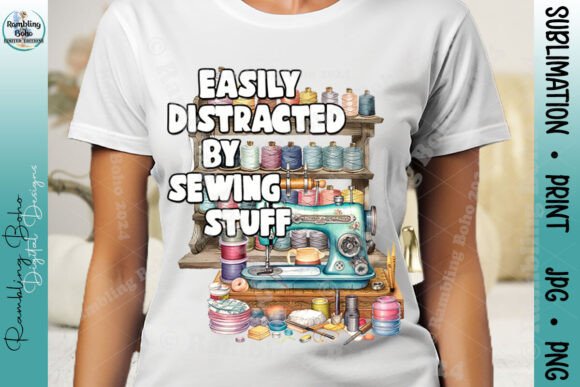
- Focus on End Products: Design specifically for a physical outcome. Imagine the surfboard on a ceramic mug or a cotton t-shirt. Adjust the colors and placement to suit the curvature and material of the product.
Before you finalize any decision, always review the license agreement again. Ask yourself: "Is my final product notably distinct from the original file?" If the answer is yes, and you are selling a finished physical good or a composite digital design, you are likely on safe ground. If you are planning to sell the file itself or a direct derivative, stop and rethink your approach.
Evaluating Quality and Suitability
When choosing this type of asset, consider your target audience. Adults aged 20–50 appreciate designs that feel authentic and well-executed. A low-resolution image or a poorly integrated graphic will signal amateurism. Ensure that the 300dpi resolution matches your production needs. For web-only use, you might downscale the image to improve load times, but keep the original high-res version for any print applications.
Also, evaluate the color palette. Watercolor styles often rely on soft pastels or vibrant washes. Make sure these tones complement your brand identity or the specific holiday theme you are targeting. If the surfboard is too bright for a sophisticated corporate gift, adjust the opacity or blend modes to soften its impact. Flexibility is key to making purchased assets work seamlessly in your workflow.
Building a Unique Brand Identity
The true power of Watercolor Surfboard Christmas in July graphics lies in their versatility. By avoiding the trap of simple redistribution and focusing on creative integration, you can produce memorable marketing materials, merchandise, and digital content. Whether you are a blogger writing about summer holidays, a freelancer designing invitations, or a small business owner launching a seasonal collection, the key is to add your own creative spark.
Remember, the goal is not just to use a pretty picture, but to craft a story. When you mix these artworks with your own text, layouts, and additional graphics, you create something entirely new. This approach respects the original artist, adheres to licensing terms, and ultimately delivers a higher quality result to your customers. Stay curious, stay compliant, and let your creativity guide the final product.