Watercolor Pineapple Christmas in July: A Strategic Asset for Creative Professionals
In the competitive landscape of digital design and brand storytelling, the ability to leverage unique visual assets is often the differentiator between a generic campaign and one that resonates deeply with an audience. The Watercolor Pineapple Christmas in July collection represents more than just a set of festive images; it is a strategic tool designed for creators who understand the power of thematic juxtaposition. By combining the tropical vibrancy of a pineapple with the nostalgic warmth of watercolor textures, all framed within the whimsical context of "Christmas in July," this asset offers a distinct aesthetic advantage. For entrepreneurs, marketers, and designers, understanding how to deploy this specific imagery can significantly enhance project outcomes, provided it is used with clear intent and strict adherence to licensing boundaries.
The Strategic Value of Thematic Juxtaposition
Why does a pineapple appear in a Christmas context? In marketing psychology, unexpected combinations trigger cognitive engagement. When a consumer encounters a familiar symbol like a Christmas theme but paired with an outlier like a tropical fruit, their attention span increases. The Watercolor Pineapple Christmas in July capitalizes on this phenomenon. It allows brands to stand out in crowded marketplaces where traditional holiday imagery has become saturated. This is particularly useful for summer promotions, mid-year sales events, or campaigns targeting regions where winter holidays are celebrated during the summer months.
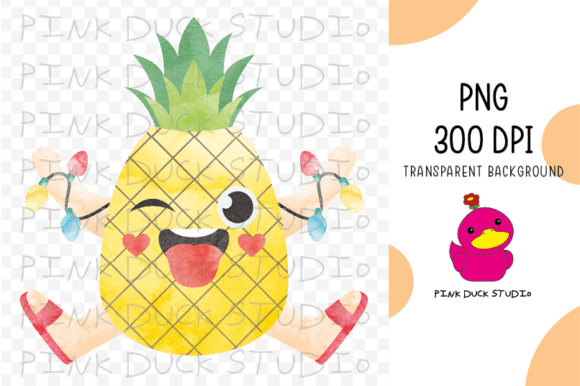
From a branding perspective, utilizing high-quality PNG files with transparent backgrounds streamlines the production workflow. The technical specifications—approximately 12 inches in height at 300dpi resolution—ensure that these assets are versatile enough for both print and digital applications without compromising clarity. Whether you are designing a limited-edition packaging label, a social media banner, or a physical merchandise item, the resolution supports professional-grade output. However, the true value lies not just in the file quality, but in the narrative potential. A thoughtful application of this asset can signal creativity, playfulness, and a forward-thinking approach to seasonal marketing.
Operational Efficiency and Design Workflow
For freelancers and small business owners, time is a finite resource. Integrating pre-rendered, high-resolution elements like the Watercolor Pineapple Christmas in July into your workflow can accelerate project timelines. Instead of spending hours painting from scratch or searching for disparate elements that do not match in style, having a cohesive set of clipart allows for rapid prototyping. The transparent background feature is critical here; it eliminates the need for tedious masking or erasing, allowing you to composite the artwork directly onto various backgrounds, patterns, or product mockups.
However, efficiency should never come at the cost of originality. The licensing terms explicitly state that these files must not be used as standalone graphics. This restriction is actually a strategic guidepost. It forces the designer to engage in creative synthesis rather than simple placement. To maximize the utility of these assets, you must integrate them into a larger composition. For example, overlaying the pineapple graphic with custom typography, combining it with other seasonal vectors, or using it as a focal point within a complex layout transforms the raw asset into a unique end product. This approach ensures that your final deliverable retains its distinctiveness while leveraging the quality of the source material.
Practical Applications for Physical and Digital Products
- Merchandise Design: Use the artwork to create t-shirts, tote bags, or mugs for a summer holiday sale. Ensure the design includes additional elements like slogans or complementary graphics so the final product is notably distinct from the original file.
- Digital Marketing Assets: Incorporate the image into email headers, landing page banners, or social media posts. Pair the visual with persuasive copy that highlights the "Christmas in July" concept to drive engagement.
- Print Media: Utilize the 300dpi resolution for high-quality invitations, greeting cards, or event flyers. The watercolor texture adds a tactile, artisanal feel that elevates printed materials above standard corporate designs.
- Branding Collateral: Integrate the motif into a broader brand identity for businesses operating in hospitality, travel, or lifestyle sectors where tropical and festive themes intersect.
Navigating Licensing and Ethical Usage
A critical component of strategic decision-making involves risk management. In the realm of digital assets, intellectual property violations can lead to severe legal and reputational consequences. The license agreement for the Watercolor Pineapple Christmas in July collection is explicit regarding what constitutes acceptable use. Reselling the digital files, redistributing them in new sets, or making them available for extraction by others is strictly forbidden. Furthermore, converting these raster images into vector formats (such as SVG) for resale or automated merchandising platforms like Zazzle or Redbubble is prohibited.
These restrictions are not arbitrary hurdles; they protect the integrity of the marketplace and ensure that the artist's work is valued appropriately. As a professional, adhering to these terms demonstrates respect for intellectual property and safeguards your own business against liability. The key takeaway is that you are purchasing a tool for creation, not a commodity for resale. You may use the item to create a new end physical product or end digital product, but only if the final result is notably distinct. This means adding significant value through your own design labor, text, and additional graphical elements.
Consider the implications of non-compliance. Uploading the raw PNG file to a stock site or selling it as part of a "clipart bundle" violates the core tenets of the license. Similarly, using automated tools to trace the image and sell it as a vector ignores the artistic intent and effort embedded in the original watercolor work. Strategic usage requires a mindset of transformation. Ask yourself: Does my final product look like a direct copy of the asset, or does it tell a new story?
Decision-Making Frameworks for Implementation
Before integrating the Watercolor Pineapple Christmas in July into a project, apply a simple decision-making framework to ensure alignment with your goals. First, define the objective. Are you trying to generate excitement for a mid-year sale? Are you aiming to convey a sense of relaxed luxury? If the answer is yes, the asset fits. Second, evaluate the context. Does the tropical-festive hybrid align with your brand voice? Using this imagery for a somber or highly formal industry might create a disconnect with your audience.
Third, assess the integration plan. Can you combine this asset with other elements to create something one-of-a-kind? If your plan involves simply placing the image on a white background and selling it, the strategy fails both creatively and legally. Successful implementation requires layering, color grading, and contextual adaptation. For instance, adjusting the opacity to blend the watercolor texture with a patterned background, or cropping the pineapple to interact with a headline, creates a cohesive design that feels intentional rather than random.
Risks of Unintentional Usage
Using creative assets without a clear strategy can lead to several pitfalls. One common risk is brand dilution. If a business uses trendy imagery like the Watercolor Pineapple Christmas in July without connecting it to a specific campaign message, the audience may perceive the brand as opportunistic or lacking a clear identity. Visual noise can distract from the core message, reducing conversion rates and engagement.
Another risk is the over-reliance on pre-made assets. While these files save time, relying on them exclusively can stifle creative growth and result in generic outputs. The most effective designers use such resources as a starting point, not the finish line. They treat the Watercolor Pineapple Christmas in July as a foundational element upon which to build a unique visual hierarchy. Without this added layer of creativity, the final product risks being indistinguishable from thousands of other designs using similar assets.
Long-Term Value and Brand Positioning
When used correctly, high-quality digital assets contribute to long-term brand equity. Consistency in visual quality, combined with innovative thematic choices, helps establish a brand as a leader in its niche. The Watercolor Pineapple Christmas in July offers a unique opportunity to position a brand as playful yet professional, capable of blending seasons and styles in a way that captures attention. Over time, these distinctive campaigns build a library of memorable experiences for the customer.
Furthermore, respecting the licensing terms fosters a sustainable ecosystem for creatives. By purchasing and using assets responsibly, you support the artists who produce them, ensuring a continued supply of high-quality resources for the industry. This ethical approach enhances your professional reputation and builds trust with partners and clients who value integrity in the creative process.
Conclusion: Intentionality Drives Results
The Watercolor Pineapple Christmas in July is a powerful resource, but its effectiveness depends entirely on how it is wielded. It is not merely a decoration; it is a strategic lever for differentiation, efficiency, and creative expression. By understanding its technical capabilities, adhering to licensing constraints, and applying it within a thoughtful design framework, professionals can achieve superior results. Whether you are launching a summer promotion, creating custom merchandise, or refreshing your digital presence, the key lies in intentionality. Transform the asset, add your unique voice, and let the visual narrative drive your business goals forward.